BLUE EYE
Science Fiction Series
in development
LOGLINE
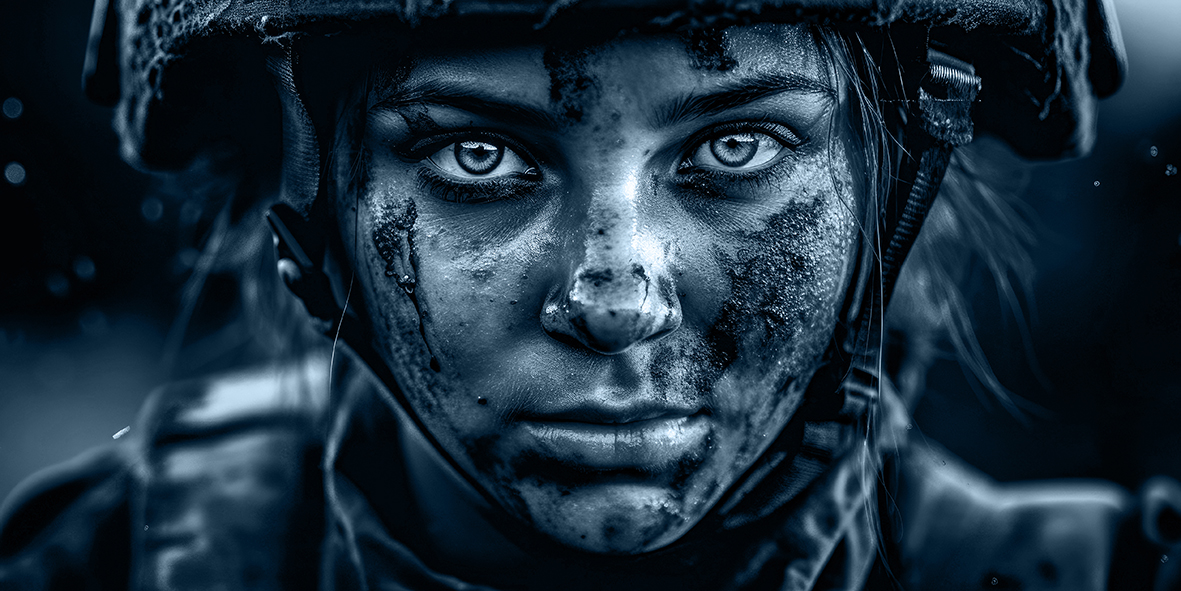
In a devastated near-future Europe, Emma Faul (24 yrs), a soldier suffering from panic attacks is deployed on a secret mission to retrieve mutated life forms from a no-go zone. When violence, loss, and ecological truths shatter the mission, she drifts beyond the reach of the state, carrying knowledge that threatens its very foundation.
SHORT SYNOPSIS
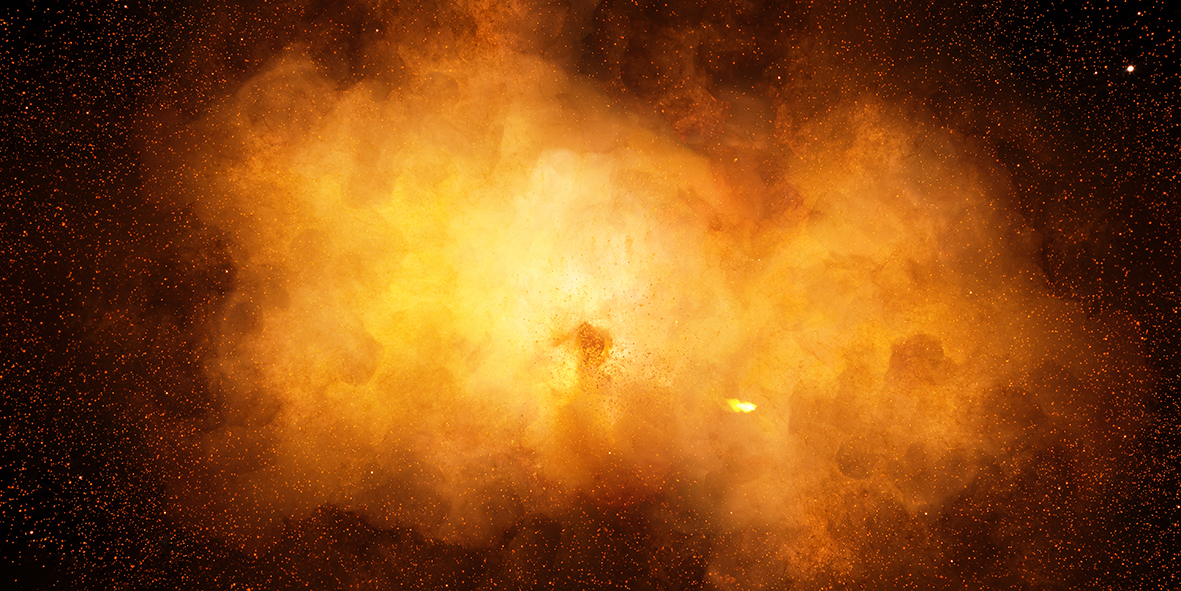
BLUE EYE is a science fiction series set in the near future. Europe is no longer a peaceful continent; a low-intensity nuclear war rages between former member states. Former Germany has become Galven, a women-ruled nation that dominates large parts of Europe through advanced nuclear warfare. Food, animals, body parts, and even children are produced in laboratories, while most natural landscapes have been obliterated.
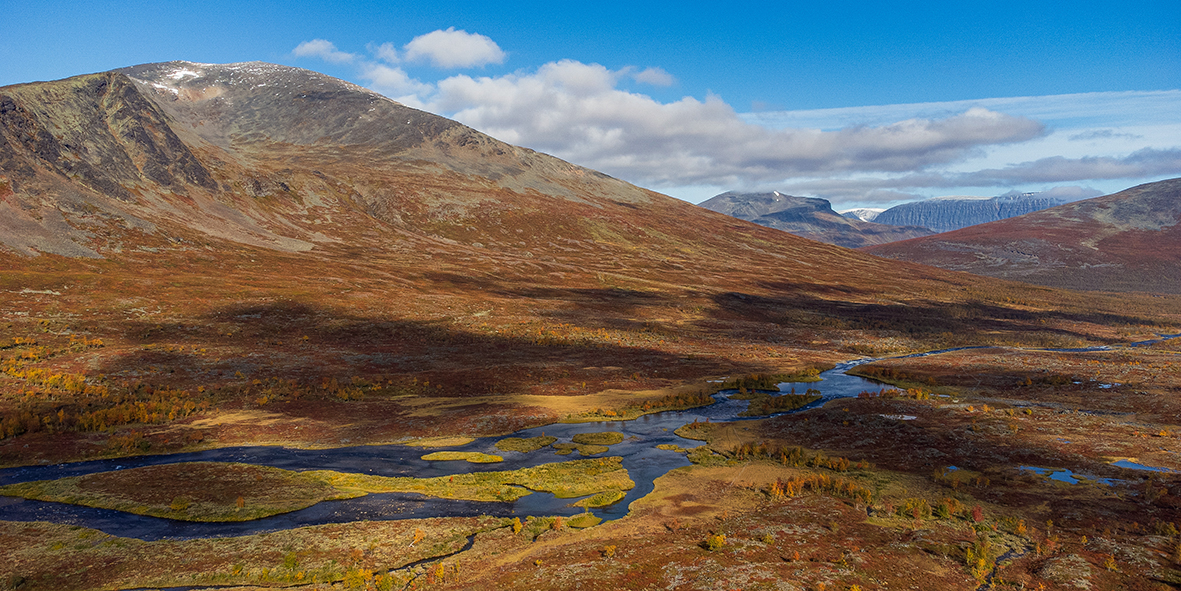
One exception is the remote Nor-Valley in Lapland, a radioactive region where a fragile biosphere still exists. Soldiers Emma, Berk, and Willur are sent on a mission to retrieve seeds and animal samples from the valley. Forced to rely on analogue communication, including messenger pigeons, the operation quickly unravels when Willur is killed. Journeying deeper into the valley, Emma and Berk encounter a mysterious group known as the “little people.” In their search for answers, they ultimately contribute to the destruction of one of Europe’s last remaining sanctuaries.
AUTHOR’S NOTE
BLUE EYE is a female-led, visually striking apocalyptic series in which the journey itself becomes the subject. Rather than moving toward a defined goal, the series focuses on the existential weight carried by those who traverse hostile, uncertain terrain. Inspired by films such as Stalker and The Searchers, BLUE EYE is less concerned with destination than with endurance, doubt, and moral erosion. What matters here is not conquest or success, but what is gradually lost along the way. Furthermore BLUE EYE draws inspirati- on from the series Conflict, Tales from the Loop, and Chernobyl.
BLUE EYE treats war as a persistent condition rather than a sequence of events. Violence is not staged as spectacle, but as something that quietly permeates bodies, memo- ries, and landscapes. The series explores a world in which survival depends on systems designed to preserve life, yet which inevitably destroy what they claim to protect.
The emotional core of BLUE EYE is shaped by the way past conflicts continue to echo into the present. War does not end when the fighting stops; it resurfaces in memory, behavior, and inherited trauma. Even decades later, its images and fears remain vivid and unresolved. These lingering traces of violence inform the series’ view of history as cyclical rather than linear.
At its heart, BLUE EYE is about humanity’s difficulty in existing within the world without exhausting or damaging it. It is also about loss—personal, ecological, and moral—and the irreversible consequences of choices made in the name of survival. Like its protago- nist Emma, the series occupies a space between responsibility and helplessness, asking how one continues to live once destruction has already taken place, and whether it is still possible to imagine a different future.
In a devastated near-future Europe, Emma Faul (24 yrs), a soldier suffering from panic attacks is deployed on a secret mission to retrieve mutated life forms from a no-go zone. When violence, loss, and ecological truths shatter the mission, she drifts beyond the reach of the state, carrying knowledge that threatens its very foundation.
BLUE EYE is a science fiction series set in the near future. Europe is no longer a peaceful continent; a low-intensity nuclear war rages between former member states. Former Germany has become Galven, a women-ruled nation that dominates large parts of Europe through advanced nuclear warfare. Food, animals, body parts, and even children are produced in laboratories, while most natural landscapes have been obliterated.
BLUE EYE is a female-led, visually striking apocalyptic series in which the journey itself becomes the subject. Rather than moving toward a defined goal, the series focuses on the existential weight carried by those who traverse hostile, uncertain terrain. Inspired by films such as Stalker and The Searchers, BLUE EYE is less concerned with destination than with endurance, doubt, and moral erosion. What matters here is not conquest or success, but what is gradually lost along the way. Furthermore BLUE EYE draws inspirati- on from the series Conflict, Tales from the Loop, and Chernobyl.